Service overview
Window Well Drainage
Window well drainage in Eagle Mountain, UT. Trace rainfall, snowmelt, irrigation, and grading issues before choosing collection and discharge options.
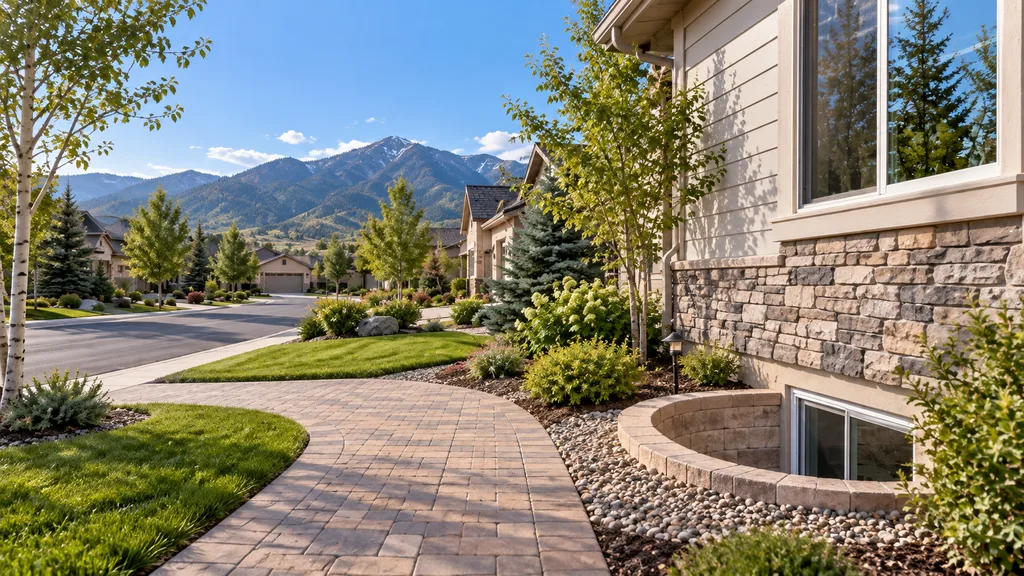
What to consider
Find the source before choosing an outlet.
Surface water and grading clues
Note whether pooling follows a thaw, rain, or irrigation; inspect roof discharge, paving, and settlement near the well.
Collection and discharge options
A collection point needs a suitable destination. Do not assume a connection to a foundation drain or City stormwater system is available.
Seasonal maintenance considerations
Check for windblown debris, sediment, blocked covers, and snow placed beside the opening; keep the escape route usable.
Eagle Mountain’s published stormwater planning addresses rainfall and snowmelt moving across Cedar Valley, including washes, swales, and retention systems. A wet window well still needs a property-level explanation. Record when the water appears, the surfaces that lead toward it, and whether the issue follows rain, a thaw, irrigation, or more than one of those events.
Standing water can have several causes; it is not proof that one particular drain has failed. Possible contributors include surface runoff, blocked paths, soil conditions, an existing drainage connection, or groundwater. If water reaches the window or enters the basement, arrange a qualified assessment rather than relying on the appearance of the gravel or a single dry-weather inspection.
Walk the nearby grade from a safe, dry position and note low spots beside the foundation. Patios, driveways, retaining walls, and downspouts can concentrate runoff at an opening. Snow piled during clearing may add water during a thaw. Review any grade change with the contractor so it preserves established swales and does not send water toward another opening or neighboring property.
Sediment and debris inside the well are useful clues. Soil deposits may show erosion near the rim or attachment, while leaves and windblown material may obstruct an existing drain. A gravel layer can be part of a design, but its presence does not establish the infiltration capacity of the soil below or prove that water has an outlet.
Ask where any proposed drain would discharge and how that destination was evaluated. A foundation-drain connection, sump-related approach, gravity route, or infiltration system has different site and maintenance considerations. Do not assume an existing system can accept added water or that a private connection to Eagle Mountain’s public stormwater system is available or authorized.
A suitable cover may reduce direct rain and some debris, but it will not correct water arriving from a downspout, irrigation, a low spot, or below the surface. Check its fit and operation, and confirm the requirements for a cover over an escape opening. Snow, stored items, or a difficult release should not be allowed to obstruct the intended route.
Consider the drainage review alongside basement window installation if an opening will change, or basement window well replacement if the well is damaged. A walkout landing is a separate scope but raises the same need to identify collection and discharge. A new shell or larger opening does not remove the original water source.
Share observations from more than one event when possible: which irrigation zone was running, where snow melted, how high the water rose, and how long it remained. Do not enter a deep or unstable well to collect that information. A qualified contractor can assess the site; the City or other responsible local authority can clarify any requirements affecting the proposed discharge or excavation.
An Eagle Mountain drainage estimate should explain the observed source, proposed work, discharge destination, access and restoration, and maintenance needs. Ask about limitations during larger weather events or changing groundwater conditions. This website does not guarantee a dry basement or prescribe one drainage system for all Utah County properties.
Other Basement Egress & Access Services
Compare related work before choosing a scope: a new opening, a replacement well, and a drainage concern may need different evaluations.
Basement Walkout Entrance Installation
Compare entrance locations against the basement floor, lot grade, and available stairwell space.
Basement Window Installation
Review daylight, room use, window operation, and the complete route through the exterior well.
Basement Window Well Replacement
Assess corrosion, movement, clearance, and the grade around an existing well before selecting a replacement.
Questions homeowners ask
Questions about seasonal water.
Why does water collect in a window well?
Possible sources include roof runoff, melting snow, irrigation, low spots, or a blocked or inadequate drainage path. Record when water appears and which surfaces feed the well. Eagle Mountain’s wider stormwater system does not determine the cause at an individual basement opening.
Is a drain always the answer?
No. Grading changes, downspout routing, irrigation adjustments, or maintenance may be part of the scope. If a drain is proposed, ask where it discharges and what approvals or maintenance apply. Gravel alone does not establish that the water has a suitable outlet.
Can drainage improvements guarantee a dry well?
This site does not guarantee a dry well or a specific result. Soil, groundwater, rainfall, snowmelt, construction, and maintenance affect performance. Ask the company doing the work to explain the proposed system’s limits and any written warranty terms.
Talk through your situation
Not sure which service fits?
That is a common starting point. Describe what you see and select “Not Sure / Need Advice.”
Share project details